


Smart approach to buying and selling a car
Practical recommendations, vehicle checks, and useful tips for drivers
Practical recommendations, vehicle checks, and useful tips for drivers
Eovi is a modern automotive blog created for drivers who want clear and practical guidance. Our mission is to provide trustworthy automotive content in a simple and reader-friendly format, helping car owners make confident decisions and avoid common mistakes.
Actionable advice on vehicle maintenance, inspection, and long-term care to keep your car in top condition.
Expert-backed tips and well-researched data to ensure you make informed decisions before buying or selling.
Complex automotive topics broken down into easy-to-follow steps for every driver, regardless of experience.
Expert advice for navigating the automotive market with confidence and precision.
Buying a car is one of the most significant financial commitments a person makes, second only to purchasing a home. Whether you are looking for a brand-new model fresh off the assembly line or a reliable pre-owned vehicle, the process requires more than just a casual glance at a dealership window. Proper preparation is the cornerstone of a successful transaction, ensuring that you not only get a fair price but also a vehicle that serves your needs for years to come. In this guide, we will explore every facet of the car-buying journey, from initial budgeting to the final signature on the title.
Before you even look at a car, you must look at your finances. Many buyers make the mistake of focusing solely on the purchase price, but the total cost of ownership is far broader. You must account for the immediate capital required and the ongoing expenses that follow. Consider your available savings and determine a ceiling that does not compromise your financial stability. Remember that the sticker price is just the beginning.

It is easy to be swayed by sleek designs or high-tech gadgets, but practicality should always lead the way. Start by listing your non-negotiables. Do you need a specific number of seats for a growing family? Is all-wheel drive necessary for your climate? Does the vehicle need to fit into a tight urban parking spot? By separating your "needs" from your "desires," you create a filter that simplifies the search process. A sports car might be exciting, but if your daily commute involves hauling equipment, it will quickly become a source of frustration rather than joy.
Knowledge is your greatest leverage. Once you have narrowed down a few models, dive into their history. Look for long-term reliability ratings from reputable automotive journalists and consumer reports. Pay attention to common mechanical failures reported by owners in forums. Furthermore, understand the market value of the specific year and trim you are interested in. Use valuation tools to see what others in your area are paying for similar vehicles. This data prevents you from overpaying and gives you a solid foundation for negotiation later on.
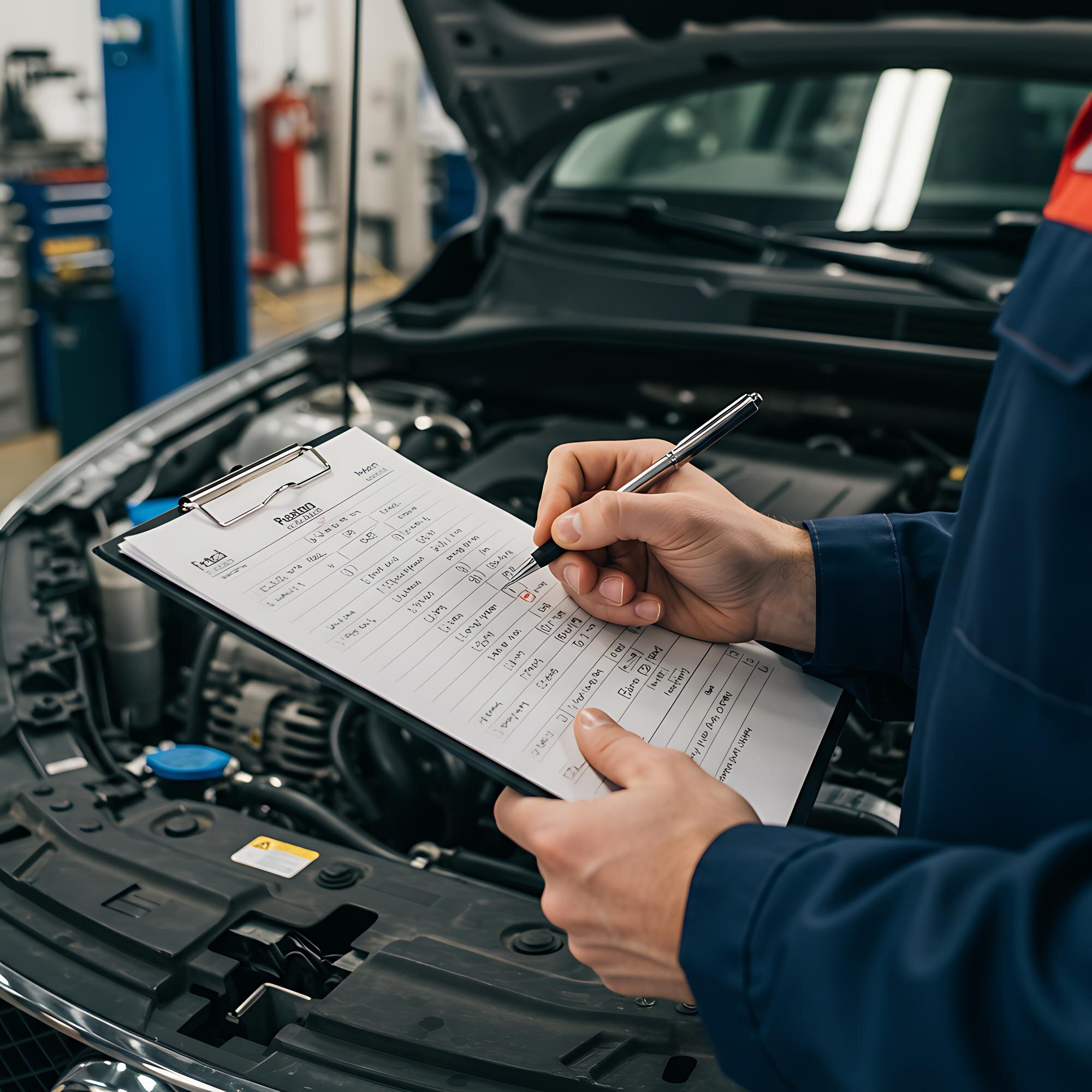
If you are opting for a used vehicle, a thorough inspection is non-negotiable. Never take the seller's word at face value. A car might look pristine on the surface but hide structural or mechanical issues underneath. Start with a vehicle history report using the VIN to check for past accidents, title issues, or frequent ownership changes. If the history is clean, proceed to a physical examination.

The test drive is not just a formality; it is a diagnostic tool. Turn off the radio so you can hear the engine, the suspension, and the wind noise. Drive on various road surfaces—highways, city streets, and even bumpy backroads. Pay attention to how the car shifts gears; any hesitation or jarring movement is a red flag. Test the brakes for responsiveness and listen for squealing or grinding. Does the steering pull to one side? Does the car feel stable at high speeds? This is your chance to feel the "soul" of the machine and ensure it aligns with your expectations.
When you are ready to make an offer, remain calm and objective. Use the flaws you found during the inspection or the research you did on market values as talking points. If the price is too high, be prepared to walk away—there are always other cars. Once a price is agreed upon, review all paperwork meticulously. Ensure the title is clear, the bill of sale is accurate, and there are no hidden fees in the contract. Verify that all promised repairs or inclusions are documented in writing. Only when every detail is perfect should you finalize the payment and take the keys.
Preparation is the difference between a stressful purchase and a rewarding investment. By following these steps—budgeting wisely, researching deeply, and inspecting thoroughly—you transform yourself from a vulnerable buyer into a savvy consumer. At Eovi, we believe that every driver deserves the peace of mind that comes with a well-informed decision. Take your time, trust the process, and enjoy the journey toward your next vehicle.
Eovi provides specialized resources tailored for every stage of your vehicle journey. Explore our core categories to find the professional advice you need.
Comprehensive checklists for evaluating mechanical and aesthetic conditions.
Essential paperwork guidance for legal compliance and ownership transfers.
Maintenance routines to preserve your vehicle's longevity and resale value.
Effective strategies to market your car and negotiate with potential buyers.
Crucial verification steps to avoid common pitfalls before signing the deal.
Practical insights and safety tips for a better daily driving experience.
Navigate the automotive world with confidence using our practical guides and professional tips.

Discover the essential mechanical and cosmetic areas you must check to avoid buying a vehicle with hidden issues.

Learn the simple preparation steps that can help you get a much better price when it's time to sell your vehicle.

Proactive care is the key to longevity. We break down the maintenance tasks you should never ignore.

Don't let a breakdown ruin your adventure. Follow our pre-trip inspection guide for total peace of mind.

From titles to registration, we explain which documents you need to keep your vehicle ownership legally sound.

Protect your investment by learning the warning signs of a vehicle that has major, recurring mechanical defects.
Buying a used car is a significant investment that requires a methodical approach to avoid costly surprises. Start with a thorough exterior inspection during daylight. Look for paint inconsistencies which often signal body repairs. Check the tires: uneven tread wear suggests alignment or suspension issues. Open the hood and check fluid levels; dark, gritty oil or low coolant are red flags of poor maintenance.
The test drive is crucial. Listen for unusual noises like squealing brakes or clunking suspension. Ensure the transmission shifts smoothly without hesitation or jerking. Finally, always request a professional pre-purchase inspection from a trusted mechanic. This step alone can save you from purchasing a vehicle with deep mechanical flaws and provides leverage for price negotiations. Remember, a clean car doesn't always mean a healthy engine, so verify the service history thoroughly.
First impressions are vital when selling a vehicle. A clean, well-maintained car attracts serious buyers and justifies a higher asking price. Begin with a professional detailing service or a deep DIY clean, including the engine bay and trunk. Mechanical transparency is your best tool. Address minor repairs like replacing burnt-out bulbs, topping off fluids, or fixing small chips in the windshield. These small fixes prevent buyers from using minor flaws to negotiate the price down significantly during the viewing process.
When writing your listing, be honest but highlight the strengths: low mileage, recent upgrades, or brand new tires. Mention if the car has been smoke-free or garage-kept. Being prepared with a vehicle history report builds immediate trust with potential buyers. During the sale process, be responsive to inquiries and ready for test drives. A well-prepared seller usually closes the deal faster and at a much better price point than someone who lists a dirty, unmaintained vehicle.
Consistent maintenance is the secret to keeping your car running smoothly for hundreds of thousands of miles. The most critical task is regular oil changes; oil is the lifeblood of your engine, and old oil causes friction and heat damage. Don't ignore your cooling system either; a simple flush every few years prevents overheating. Pay attention to your battery, especially before winter or summer extremes. Clean the terminals to ensure a strong connection and check the voltage if it is over three years old to avoid being stranded.
Brakes are your primary safety feature. If you hear squealing or feel vibrations, get them checked immediately. Keeping your car clean isn't just about aesthetics; washing the undercarriage removes salt and grime that lead to rust and corrosion. Finally, follow the manufacturer's service schedule found in your owner's manual. Preventive care is always cheaper than emergency repairs. A healthy car is a safe car, and it will retain its value much better over the years of ownership.
Before embarking on a long journey, a quick mechanical check can prevent a breakdown in the middle of nowhere. Start with your tires: check the pressure (including the spare) and look for any punctures or bulges. Fluid levels are next—ensure engine oil, coolant, brake fluid, and windshield washer fluid are topped off. Test all exterior lights, including indicators and brake lights, to ensure visibility to other drivers. A well-functioning cooling system is vital, as long drives at high speeds put extra stress on the engine components.
Don't forget the human element: plan your route, check for road closures, and ensure you have offline maps. Inspect your brakes for any unusual feel or noise. If your car is close to its next service interval, it is better to do it before the trip than after. Taking thirty minutes to inspect these basics provides peace of mind, allowing you to focus on the road and enjoy the adventure ahead. Proper preparation turns a potentially stressful drive into a smooth and enjoyable road trip experience.
Proper paperwork is just as important as a working engine. Whether you are buying, selling, or just driving, having the right documents organized saves time and legal headaches. The most important document is the Title (or Logbook), which proves ownership. Ensure there are no outstanding liens before purchasing a used car. The Registration document must be current and kept in the vehicle at all times. Insurance is not just a legal requirement but a financial safety net; keep a digital and physical copy of your policy readily available for any situation.
If you are selling, you'll need a Bill of Sale that outlines the terms, price, and "as-is" status to protect yourself. Some regions also require a smog certificate or a safety inspection report for title transfer. For buyers, checking the vehicle history report is essential to verify mileage and accident history. Keeping these documents in a dedicated organizer in your glovebox ensures you are always prepared for police stops or unexpected sales opportunities. Organization is the key to stress-free car ownership.
A "lemon" is a vehicle with significant, recurring defects that the manufacturer or seller cannot fix. Spotting these before purchase requires a keen eye and a bit of detective work. Start by checking the vehicle history for "title washing" or repeated repairs for the same issue. Physical signs of hidden damage include mismatched interior trim, damp carpets (indicating leaks), or a strong smell of air freshener used to mask mold. Look closely at the odometer for signs of tampering, such as misaligned digits or excessive wear on the steering wheel and pedals that doesn't match low mileage.
During the test drive, turn off the radio and listen for any mechanical groans. Clunks when shifting or a pulling sensation to one side are major red flags. If a seller is rushing you or refuses a mechanical inspection by your own mechanic, walk away immediately. There are plenty of cars on the market; don't let FOMO (fear of missing out) lead you into a bad deal. Trust your gut—if a deal seems too good to be true, it probably is. Protecting your wallet starts with being a skeptical and informed buyer.
Find clear and practical answers to the most common questions about buying, selling, and maintaining your vehicle with Eovi.
When purchasing a vehicle, always verify the original title, comprehensive service history logs, and a verified vehicle history report. It is crucial to ensure that the VIN matches across all paperwork and the physical chassis of the car to avoid legal complications.
Inspect the exterior for inconsistent paint shades, uneven gaps between body panels, and any signs of bubbling or rust. These details often signal previous structural damage or low-quality repairs that could compromise the safety and value of the vehicle.
Start by performing a deep interior and exterior cleaning. Address minor mechanical faults, organize all maintenance receipts, and take high-resolution photos in natural light. A well-presented car with documented care builds immediate trust with potential buyers.
Pay close attention to engine sounds, braking smoothness, and steering alignment. Test the transmission shifts at various speeds and verify that all electronic components, including climate control and safety sensors, are functioning perfectly.
Adhering strictly to the manufacturer maintenance schedule is the best way to prevent costly failures. Address small leaks or noises immediately before they escalate, and always research common model-specific issues to anticipate future needs.
Have a question about a specific car model or need advice on a vehicle inspection? Reach out to us for clear and practical guidance from our automotive enthusiasts.